Lovely Heart: The Handwritten Font for Personal Touches
There’s a certain warmth that only a handwritten element can bring to a design. In a world saturated with clean, digital precision, the organic flow of human script feels immediate, personal, and authentic. This is the exact quality that the Lovely Heart typeface captures so effectively. It’s not just a collection of letters; it’s a design asset that injects personality and a sense of handcrafted care into any project it touches.
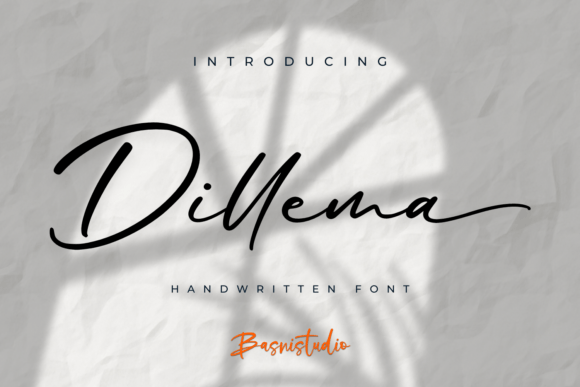
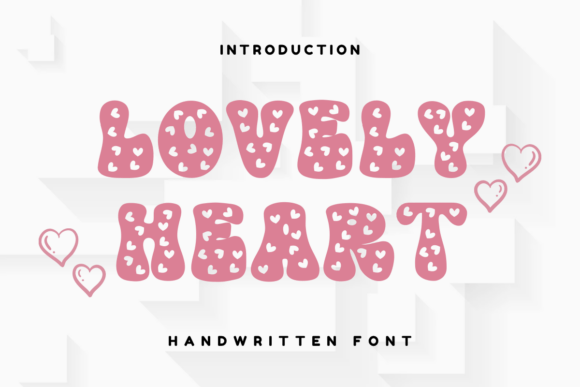
At its core, Lovely Heart is a handwritten font, but that simple classification doesn’t do it justice. Its visual character is defined by a fluid, connected baseline that mimics natural penmanship. The letters have a gentle, slightly irregular rhythm, avoiding the sterile uniformity of many digital scripts. You’ll notice subtle variations in stroke weight and graceful, looping ascenders and descenders that give it a lively, organic feel. The overall personality is one of gentle elegance and approachable charm. It’s a script font that feels less like a formal calligraphy and more like the beautiful, slightly hurried writing in a cherished personal journal or on a lovingly crafted greeting card. This style is a cornerstone of modern typography that values human connection.
Where to Use the Lovely Heart Typeface
The true strength of Lovely Heart lies in its versatility. While its soul is personal, its applications are broad and practical. It excels in projects where you want to convey warmth, sincerity, and a human touch. For creative font applications, think beyond the obvious. It’s perfect for social media graphics where you need to stop the scroll with an authentic message—quote overlays, sale announcements for a boutique, or heartfelt thank-you posts. For brand identity, particularly for small businesses, bakeries, wedding planners, florists, or any service that values personal connection, using Lovely Heart in your logo design or on your website headers can immediately communicate your brand’s friendly and caring ethos.
It translates beautifully into packaging design, adding a handwritten label to artisanal products, candle jars, or gift boxes. In editorial design, it’s a standout choice for pull quotes in magazines, chapter titles in a lifestyle blog, or headers in a newsletter. Don’t overlook its power in print either. It’s ideal for creating custom stationery, personalized mugs, t-shirt designs, and, of course, those greeting cards that feel truly special. The key is to use it where the content itself is meant to feel personal, celebratory, or intimate.
Pairing and Practicality: Making It Work
Using a display font like Lovely Heart effectively requires some strategy. Its decorative nature means it’s best used for headlines, logos, or short bursts of impactful text, not for long paragraphs. For body copy, you’ll need a reliable partner. A classic sans serif font like Montserrat or Lato provides a clean, modern contrast that keeps your layout readable and professional. Alternatively, pairing it with a simple, sturdy serif font like Lora or Merriweather can create a more traditional, editorial feel. This practice of font pairing is essential for creating a balanced and functional visual hierarchy.
Before committing, always test Lovely Heart in the context of your specific project. Check its legibility at the sizes you plan to use, especially on digital screens where fine details can get lost. Review the included character set—does it have the punctuation, numerals, and language support you need? For any commercial application, from client work to products you sell, verifying the licensing terms is non-negotiable. A premium font like this typically comes with clear commercial licenses, but it’s your responsibility to ensure compliance. This attention to detail is what separates a hobbyist from a professional and ensures your design assets are used correctly.
Ultimately, choosing a typeface is about matching its voice to your project’s message. Lovely Heart isn’t the right tool for a corporate financial report, but it’s an exceptional one for a wedding invitation, a boutique’s Instagram story, or a heartfelt blog post. It influences brand perception by making a business seem more approachable and human. It boosts audience engagement because its visual warmth is inherently inviting. When used thoughtfully, this creative font doesn’t just display words; it conveys feeling, making it a valuable and versatile tool in any designer’s or creator’s toolkit.